
Blacksmithing in East Lothian: Traditions and Innovations in East Lothian Blacksmithing

Blacksmithing in East Lothian combines a rich heritage with modern techniques. This craft has served both private and commercial clients for centuries. It remains essential for creating durable, custom metalwork. I will explain how traditional methods coexist with new innovations in this region. This post also offers practical insights for those seeking expert metalwork services.
History of East Lothian Blacksmithing
East Lothian has a long history of blacksmithing. The craft dates back to the medieval period when blacksmiths made tools, horseshoes, and weapons. These artisans were vital to rural and urban communities. Their work supported agriculture, construction, and transport.
Over time, blacksmithing evolved with industrial changes. Despite mechanisation, many blacksmiths in East Lothian kept traditional skills alive. They passed down knowledge through apprenticeships. This ensured the survival of hand-forged techniques.
Today, some workshops still use coal forges and hand tools. Others have adopted gas forges and power hammers. This blend of old and new keeps the craft relevant and efficient.
Modern East Lothian Blacksmithing Practices
East Lothian blacksmithing now serves a wider range of needs. It includes decorative ironwork, structural steel fabrication, and restoration projects. Blacksmiths work with various metals such as mild steel, stainless steel, and wrought iron.
Modern workshops use computer-aided design (CAD) to plan complex projects. This technology improves accuracy and client communication. However, the actual forging process often remains manual. Skilled smiths heat, hammer, and shape metal by hand.
For example, gates and railings are custom-made to fit specific properties. Clients can request unique patterns or motifs. Blacksmiths also repair historic metalwork, preserving local heritage.
Tools and Techniques in East Lothian Blacksmithing
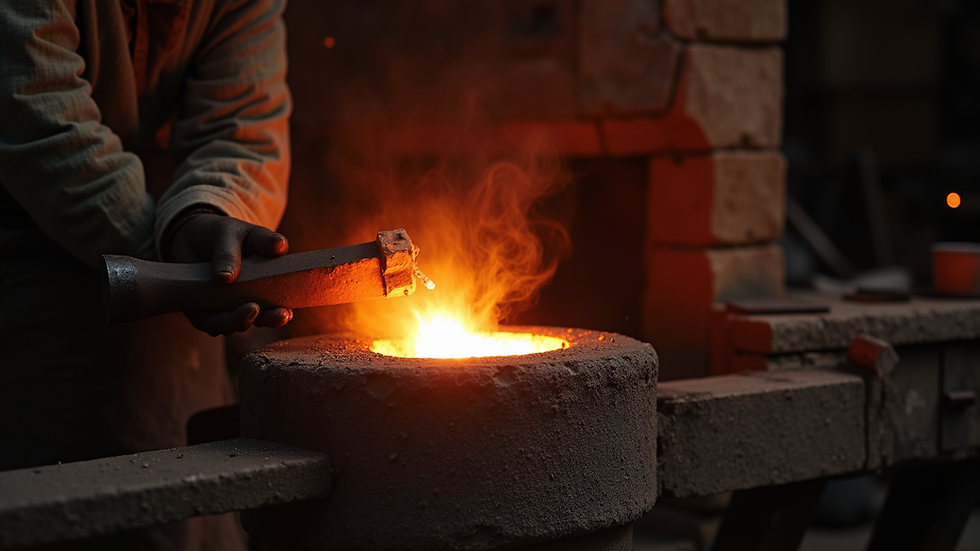
Blacksmiths in East Lothian use a mix of traditional and modern tools. The anvil, hammer, tongs, and chisels remain essential. These tools allow precise shaping and joining of metal.
Gas forges have largely replaced coal forges for efficiency. They provide consistent heat and reduce smoke. Power hammers and hydraulic presses assist with heavy or repetitive work. These machines speed up production without sacrificing quality.
Techniques include:
Forging: Heating metal and shaping it with hammer blows.
Welding: Joining metal pieces using heat or pressure.
Grinding and polishing: Finishing surfaces for aesthetics and safety.
Patination: Applying chemical treatments to alter metal colour.
These methods allow blacksmiths to create functional and decorative items. Examples include bespoke furniture, signage, and architectural features.
Finding a Blacksmith East Lothian
If you need metalwork, finding a reliable blacksmith is important. Look for a professional with experience in both traditional and modern techniques. Check for a portfolio of past projects and client references.
A good blacksmith will:
Discuss your requirements clearly.
Provide detailed quotes and timelines.
Offer design advice based on practical knowledge.
Deliver high-quality craftsmanship on schedule.
For instance, blacksmith east lothian offers a range of services from custom gates to large-scale steel fabrications. Their team combines skill with a can-do attitude to meet diverse client needs.
Future Trends in East Lothian Blacksmithing
The future of blacksmithing in East Lothian looks promising. Innovations in materials and technology continue to expand possibilities. For example, the use of stainless steel and aluminium allows lighter, corrosion-resistant products.
Digital tools like 3D modelling and CNC cutting improve design precision. These advances help blacksmiths meet complex commercial demands. At the same time, there is growing interest in handmade, artisanal metalwork. This supports local craftspeople and preserves traditional skills.
Sustainability is also a focus. Many workshops aim to reduce waste and energy use. Recycling scrap metal and using efficient forges contribute to greener practices.

Practical Advice for Commissioning Metalwork
When commissioning metalwork, consider these steps:
Define your needs: Identify the purpose, size, and style of the item.
Research blacksmiths: Look for local experts with relevant experience.
Request quotes: Compare prices and services offered.
Review designs: Ask for sketches or CAD drawings before work begins.
Agree on timelines: Set clear deadlines and delivery expectations.
Inspect the finished product: Ensure it meets quality and safety standards.
Following these guidelines helps ensure a smooth project and satisfactory results.
Blacksmithing in East Lothian remains a vital craft. It balances tradition with innovation to serve modern metalwork needs. Whether you require bespoke gates, structural steelwork, or restoration, skilled blacksmiths deliver durable, high-quality solutions.


Comments